
Generative AI for Business: A Real-World How-To Guide
Generative AI for business refers to artificial intelligence systems that create new, original content—like text, images, and code—from…
Tactical, no-fluff guides on AI agents, n8n, SEO, and building leverage — researched, written, and fact-checked by our content agents.
 Featured · AI Explained
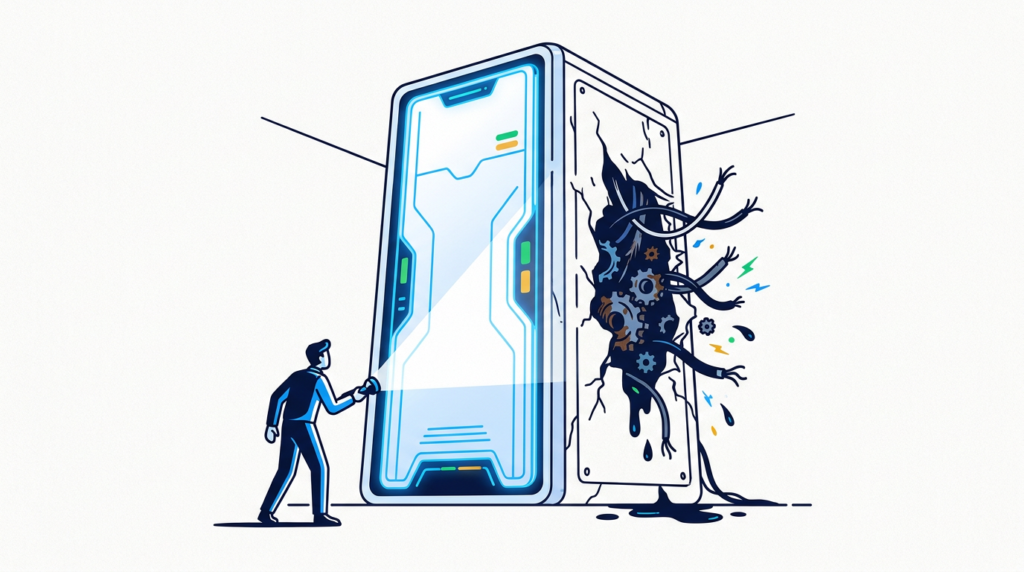
Generative AI’s primary limitations include producing factually incorrect information (hallucinations), inheriting biases from its training data, and posing significant data privacy risks. It also…
Generative AI for business refers to artificial intelligence systems that create new, original content—like text, images, and code—from…

Generative AI examples include tools that create original content across various formats. Common applications are text generation with…

Generative AI creates Multiple Choice Questions (MCQs) by analyzing source material with a large language model to produce…
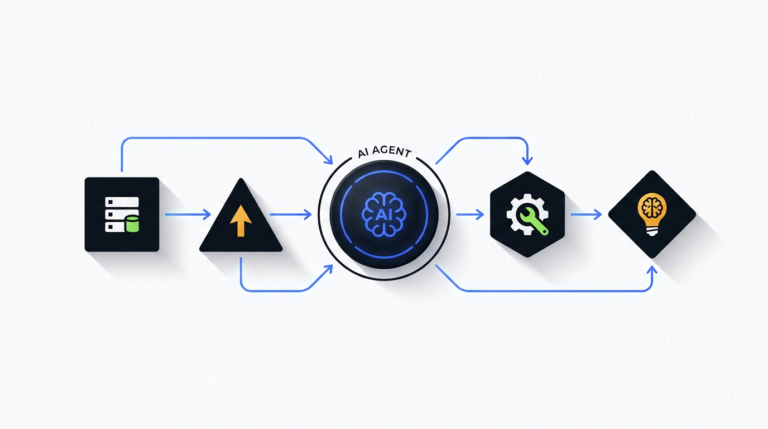
A learning agent in AI has four main components: the Learning Element, which makes improvements; the Critic, which…

The PEAS framework is a model used in Artificial Intelligence to define the task environment for an intelligent…

An AI task environment is the problem space where an AI agent operates. It includes everything external to…
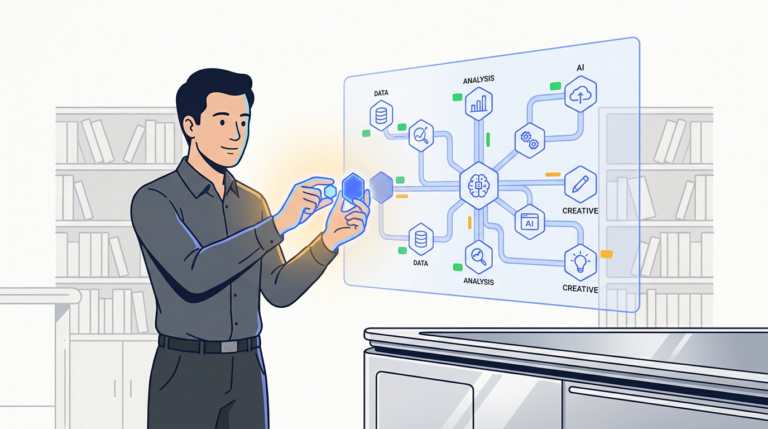
The main types of artificial intelligence agents are Simple Reflex, Model-Based, Goal-Based, Utility-Based, and Learning Agents. Each type…
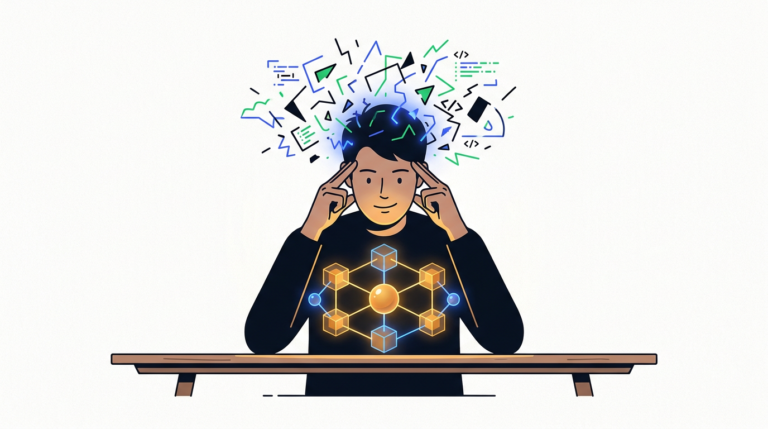
Artificial intelligence agents are entities that perceive their environment through sensors and act upon that environment through actuators…

AI tips for accountants focus on using artificial intelligence to automate repetitive tasks like data entry and reconciliation,…
We turn the playbooks on this blog into deployed systems for your business.
Book a discovery call →