
AI for Restaurant Marketing: A Guide for 2024
AI for restaurant marketing uses artificial intelligence tools to automate and enhance marketing efforts. This includes personalizing customer…
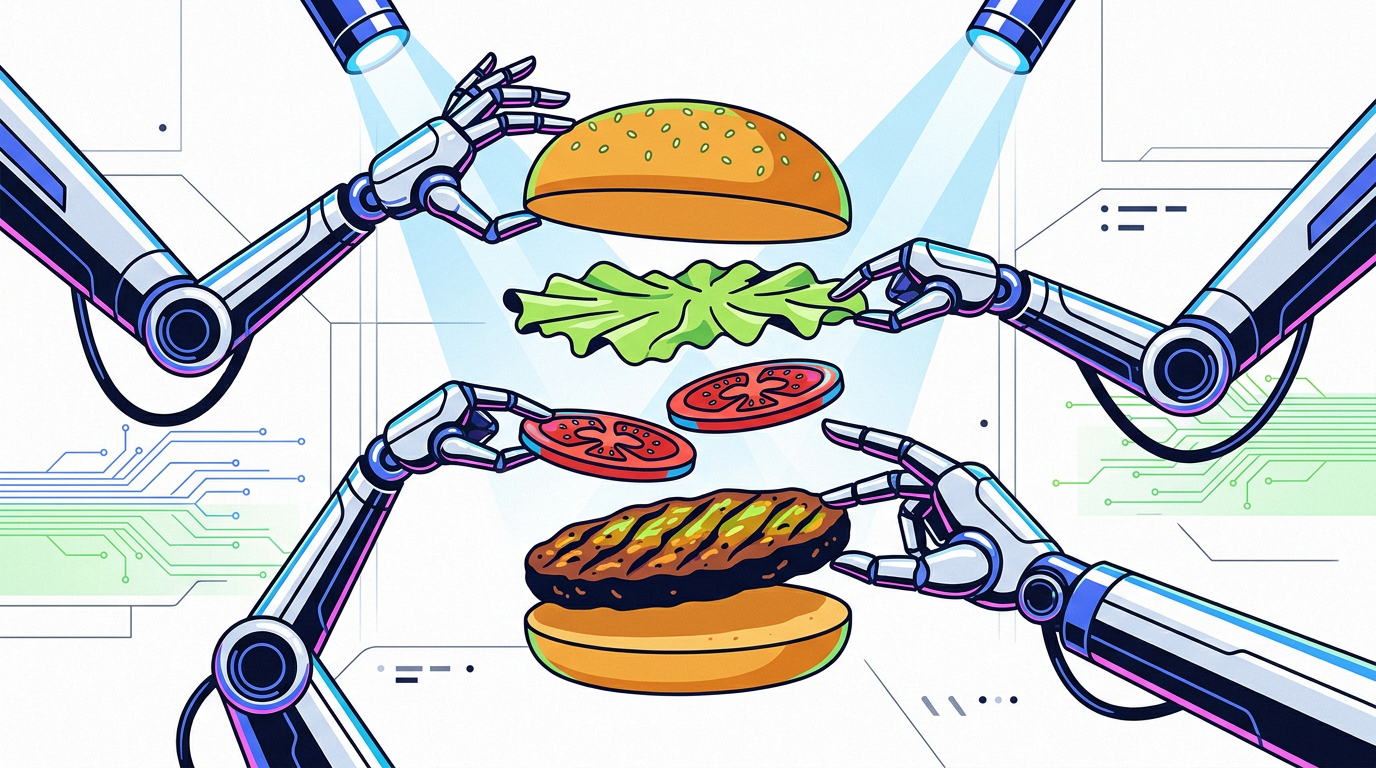
The future of fast food will be shaped by AI-driven automation for efficiency, hyper-personalization through data, and a growing demand for sustainable practices. Expect robotic kitchens, customized menus, and a greater emphasis on both value and healthier, plant-based options to meet evolving consumer preferences.
Let’s get one thing straight: the future of fast food isn’t about a team of C-3POs running a McDonald’s. That’s a cartoon. The real change is quieter, smarter, and already happening behind the counter and in the cloud.
The question isn’t if AI and robotics will reshape the industry, but how. Forget the sci-fi fantasies of fully automated restaurants where you never see a human face. The actual future of fast food is a complex mix of three powerful forces: the relentless push for technological efficiency, a fundamental shift in what we want to eat, and the messy, often-overlooked human element.
While robots flipping burgers get all the headlines, the most significant changes are the ones you won’t see. They’re in the software that predicts a lunch rush based on weather patterns, the algorithm that knows you like extra sauce, and the supply chain logistics that get fresher ingredients to the store with less waste. This is the real story of AI’s impact on the service industry.
Technology is the most visible driver of change. It’s not just about replacing tasks; it’s about optimizing the entire operation, from the moment you think about ordering to the second you take your first bite.
The fast-food kitchen is a pressure cooker of repetitive tasks—perfect for automation. You’ve probably seen videos of “Flippy,” the robotic arm that can handle a deep fryer or grill with perfect consistency. That’s the obvious part.
The more subtle AI is in the background. Think of it as a hyper-efficient manager who never sleeps. This AI monitors inventory levels in real-time, automatically reordering ingredients to prevent shortages without overstocking. It analyzes cook times and food temperatures to ensure safety and quality, reducing human error. This kind of automation is all about achieving flawless operational efficiency. It means fewer mistakes, less food waste, and faster service.
The front-of-house is changing just as quickly. Ordering kiosks and mobile ordering apps aren’t new, but the intelligence behind them is getting much sharper. These systems are moving from simple transaction tools to powerful platforms for personalization.
Your ordering history, the time of day, and even your past customizations are all data points. AI uses this information to improve your customer experience by suggesting your “usual” or tempting you with a new item you’re likely to enjoy. For the business, this is gold. It increases order accuracy, speeds up lines, and drives higher sales by effectively upselling without a human ever having to ask, “Would you like to make that a large?”
AI and robotics will make your fast-food order faster, more accurate, and more personal. Expect shorter wait times as kitchen bots handle repetitive cooking tasks. Your order will have fewer mistakes thanks to automated systems. And through mobile apps and kiosks, your menu will be increasingly personalized with suggestions based on your past preferences.
Technology is only half the equation. The future of fast food is also being dictated by a massive shift in consumer behavior and what we actually want to eat.
Convenience is king, and its definition is changing. For younger generations like Gen Z, a seamless digital experience is not a bonus; it’s the bare minimum. They expect to order on their phone, pay with a tap, and have their food ready for a quick pickup or delivered directly to their door.
This demand for speed and ease is why investment in mobile ordering and delivery integration is soaring. The traditional walk-in model is far from dead, but it’s no longer the only game in town. The brands that win will be the ones that meet customers wherever they are, whether that’s in-person, in-app, or at their doorstep.
The greasy, guilty pleasure reputation of fast food is being challenged. Today’s consumers, more than ever, demand transparency about what they’re eating. Calorie counts were just the beginning. Now, people want to know about ingredients, allergens, and sourcing.
This has fueled the explosion of healthier options and plant-based alternatives. A decade ago, a vegan burger from a major chain was unthinkable. Today, it’s a menu staple. This isn’t just a trend; it’s a permanent shift. The future fast-food menu will have to cater to a much wider range of dietary trends and preferences, from keto to vegan, without sacrificing the speed and value people expect.
So, what will we actually be ordering in the QSR of 2030? It will likely be a mix of the familiar and the foreign, driven by data and a continued craving for both novelty and comfort.
Fast-food chains are in a constant battle for your attention. AI gives them a new weapon for menu innovation. By analyzing social media trends, sales data, and global food blogs, companies can spot the next big flavor profile before it hits the mainstream.
This could mean more limited-time offers inspired by global street food, regional specialties going national, or entirely new fusion concepts. The goal is to create buzz and excitement, turning a routine lunch into a culinary experience you want to share online.
Even with all the innovation, don’t expect the classic burger and fries to disappear. In times of economic uncertainty and high inflation, value and comfort are what people crave most. A cheap, reliable, and satisfying meal is a powerful draw.
The future will likely see a split. On one end, you’ll have highly optimized, low-cost comfort food, possibly prepared with significant automation to keep prices down. On the other, you’ll see more premium, innovative, and customizable options at a higher price point. The middle ground will get squeezed.
It will likely do both. Automation and robotics could reduce labor costs, potentially leading to cheaper, value-focused menu items. However, the high cost of implementing this technology, combined with the demand for higher-quality, sustainable, and plant-based ingredients, could drive prices up for premium and customized options.
For too long, the conversation about “good” food has just been about health. That’s changing. The future of fast food will be judged not just on its nutritional content, but on its environmental footprint.
Sustainability goes far beyond offering a plant-based patty. It’s about the entire system. Where do the ingredients come from? How much energy does the kitchen consume? And what happens to the mountain of packaging that’s left over? AI can help by optimizing supply chains to reduce food miles and minimizing energy use in stores. But the real test will be whether major corporations commit to reducing single-use plastics and adopting truly sustainable packaging. It’s a huge operational challenge, but one that customers are beginning to demand.
Let’s address the big, scary question: will AI replace fast food workers? The answer is no, but it will absolutely change their jobs. The narrative of mass job displacement misses the point. The real story is about job transformation.
Repetitive, physically demanding, and monotonous tasks—flipping burgers, taking orders, bagging fries—are prime candidates for automation. This doesn’t mean the restaurant becomes empty. It means the roles of human employees will shift. Instead of being assembly-line cogs, their value will come from things robots can’t do: managing customer issues with empathy, troubleshooting the new technology, and creating a welcoming atmosphere. The job will become less about manual labor and more about customer service and technical oversight.
Recent global events have shown us just how fragile our supply chains are. A single disruption can lead to shortages of everything from chicken wings to coffee cups. This is where AI offers enormous potential for building supply chain resilience.
By analyzing thousands of data points—weather forecasts, traffic patterns, consumer demand, and even geopolitical events—AI can predict potential disruptions before they happen. It can reroute shipments, adjust inventory levels across thousands of locations, and ensure that ingredients are sourced more efficiently and reliably. This makes the entire system less wasteful and better prepared for the unexpected.
The push for personalization comes with a hidden cost: your data. Every time you use a mobile app to order a pizza or customize a coffee, you’re feeding a massive data profile about your habits, preferences, and even your location. This raises serious questions about data privacy.
Who owns this data? How is it being used? Is it secure from hackers? The future of dining will force us to confront these ethical dilemmas. Companies that are transparent and responsible with customer data will build trust. Those who are careless or exploitative will face a backlash. The convenience of a personalized experience is tempting, but it shouldn’t come at the price of our privacy.
To see where the future is really headed, follow the venture capital. Investors are pouring billions into food tech, and their bets reveal the most promising trends. The money isn’t just going into flashy kitchen robots.
Significant investment is flowing into AI-powered ordering platforms, predictive analytics for supply chains, and new food science for creating better plant-based alternatives. Companies that offer “software-as-a-service” solutions for restaurants—automating everything from inventory to marketing—are also attracting huge interest. This shows the revolution is as much about code as it is about cooking.
Their roles will fundamentally change. Tasks that are repetitive and predictable, like taking orders or working the fryer, will increasingly be automated. This will shift human workers towards more dynamic responsibilities, such as customer service, managing complex orders, troubleshooting technology, and ensuring a positive guest experience.
It has the potential to be, but it isn’t a guarantee. AI and automation can significantly reduce food waste and optimize energy consumption in kitchens and supply chains. The rise of plant-based options also lowers the overall environmental footprint. However, a truly sustainable future depends on the industry’s commitment to tackling its massive packaging problem and adopting ethical sourcing practices.
So, what does the future of fast food look like by 2030? It won’t be a robot-run dystopia. It will be a hybrid.
You’ll order from an intelligent AI on your phone or a kiosk that knows your preferences. In the kitchen, robots and AI will work alongside humans to cook your meal faster and more consistently than ever before. The menu will offer more personalized, healthier, and globally-inspired options right next to the classic, value-driven comfort food you’ve always known.
The biggest changes will be the invisible ones: a hyper-efficient supply chain, data-driven menu decisions, and a workforce whose primary job is to ensure you have a great experience. The future of fast food isn’t about removing humans—it’s about automating everything else.
What is a fully automated restaurant?
A fully automated restaurant is a concept where nearly every operational task—from taking orders and payment to cooking and serving food—is handled by robotics and AI with minimal to no human staff present. While a few exist as novelties, they are not yet a widespread or profitable model.
Are there any robot restaurants open now?
Yes, a few robot-centric restaurants exist around the world, often as showcases for the technology. For example, some cafes use robotic arms to prepare coffee. However, most mainstream chains like McDonald’s or Starbucks are integrating specific pieces of automation (like AI for drive-thrus) rather than opening fully robotic locations.
Will AI make my food taste better?
Indirectly, yes. While AI won’t change the recipe itself, it can ensure the food is cooked with perfect consistency every time—no more overcooked fries or undercooked chicken. By guaranteeing food is prepared exactly as designed, AI improves quality and reliability, which makes the food taste better on average.

Part of the Thinker's Automation Labs content team. Researches with the SEO Blog Research Agent, drafts the piece, and routes it through review before publishing. Every claim is fact-checked against primary sources.
AI for restaurant marketing uses artificial intelligence tools to automate and enhance marketing efforts. This includes personalizing customer…

AI kitchen automation uses technologies like robotics, machine learning, and computer vision to handle tasks in commercial kitchens.…
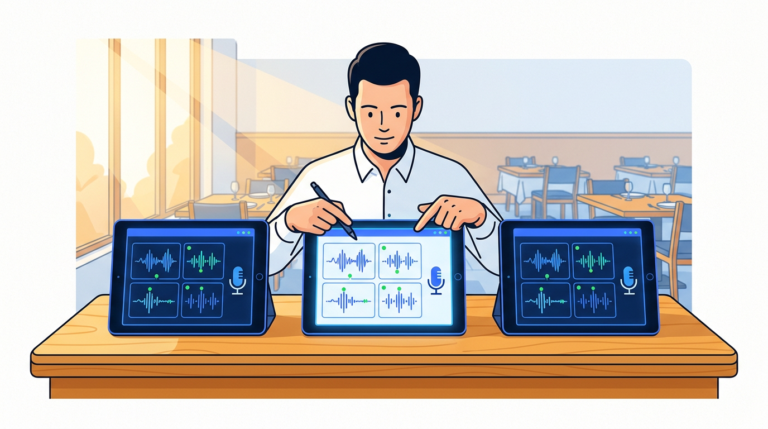
The best AI voice ordering systems for restaurants automatically handle phone and drive-thru orders, reducing missed calls and…