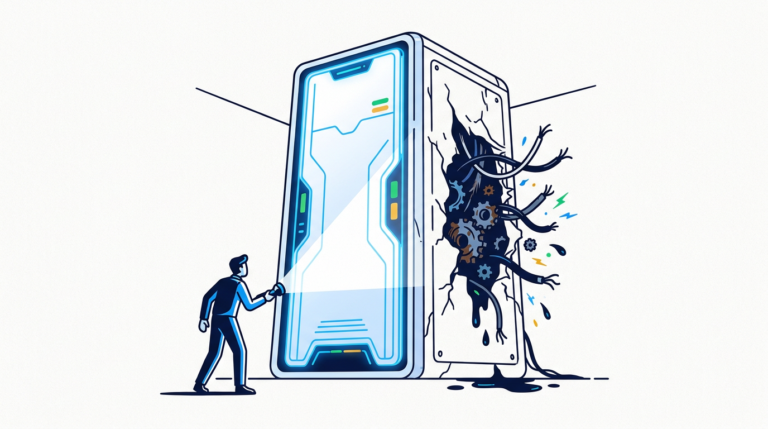
Limitations of Generative AI: The Awkward Truth of What’s Wrong
Generative AI’s primary limitations include producing factually incorrect information (hallucinations), inheriting biases from its training data, and posing…
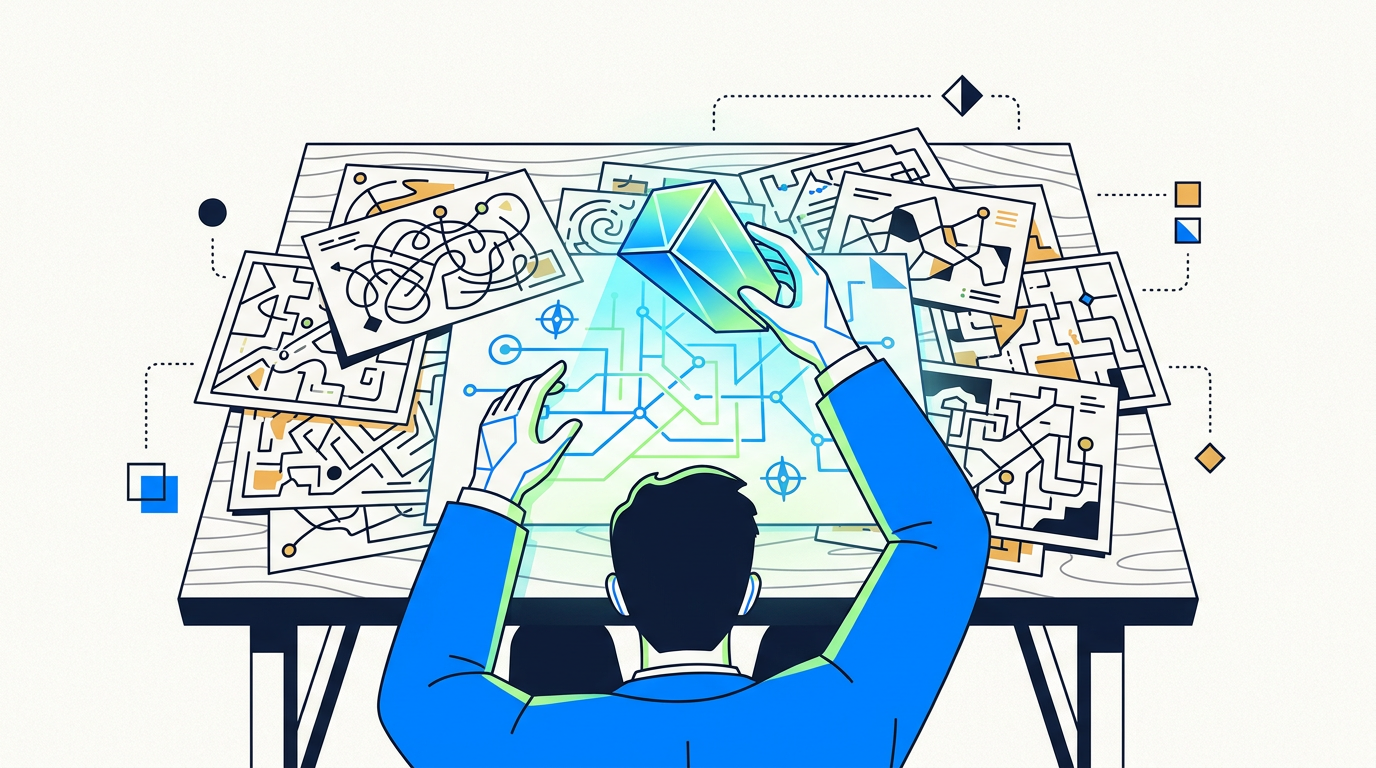
An AI agency designs and implements custom artificial intelligence systems to solve business problems. They specialize in creating workflow automation, advanced chatbots, and data analysis tools to improve efficiency and reduce costs. A good agency acts as a strategic partner, translating business needs into technical solutions with a clear ROI.
Most talk about AI is either confusing hype or dense technical jargon. You’re told it will change everything, but nobody tells you what “it” is or where to start. You don’t need a lecture on neural networks; you need to know if this technology can actually help your business.
That’s where a good AI agency comes in. Think of an AI agency not as mad scientists, but as expert plumbers and electricians for your operations. They find the leaks (wasted time, repetitive tasks) and install modern wiring (smart automations) to make everything run more efficiently. This guide will cover what they do, what they charge, and how to choose the right one.
An AI agency, or an AI automation company, helps businesses use artificial intelligence to solve specific problems. They design, build, and implement custom AI solutions—like smart workflow automation, customer service chatbots, and data analysis tools—to improve efficiency, reduce costs, and create a better customer experience.
A great AI agency doesn’t start by talking about technology; it starts by asking about your business. What takes up too much of your team’s time? Where are your processes breaking down? What customer questions do you answer a thousand times a day?
Their job is to translate your business pains into practical, technical solutions. They are strategists first, helping you identify the use cases with the highest potential return on investment (ROI) before a single line of code is written. This initial AI strategy phase is crucial for success.
AI agencies offer a range of services designed to build systems that automate tasks, talk to customers, and make sense of your data. The goal is always to deliver a custom AI solution that fits your specific needs, not a generic, off-the-shelf product.
Here’s a breakdown of the most common services:
Any good engagement starts here. An agency provides AI consulting to help you identify the best opportunities for AI within your business. They’ll map out your existing processes, find the bottlenecks, and create a roadmap for implementation that focuses on real-world ROI.
This is the bread and butter of AI automation. It’s about identifying repetitive, manual tasks and building systems to handle them automatically. This frees up your team for the creative, strategic work that grows your business. Examples include:
Forget the clunky chatbots of five years ago. Thanks to generative AI, modern chatbots can handle complex customer service inquiries, qualify leads on your website, or act as an internal helpdesk. A good agency builds bots that are genuinely helpful, integrate with your systems, and reflect your brand’s voice.
RPA is a term for software “robots” that mimic human actions on a computer. An RPA bot can log into applications, copy and paste data, fill out forms, and move files, just like a person would. The difference is they operate thousands of times faster and never make a typo.
Your business already runs on dozens of different apps—your CRM, project manager, Slack, and email marketing tool. A huge part of an agency’s job is AI integration. They connect these disparate systems, allowing data to flow freely and enabling AI to work its magic across your entire tech stack.
At Thinker’s Automation Labs, we’ve built automations for companies that save them over 20 hours per week and dramatically increase their lead response times. The right system pays for itself, fast.
Ready to find out what’s possible for you?
An AI automation agency can cost anywhere from $5,000 for a small project to over $50,000 for a complex, company-wide implementation. Pricing typically falls into three models: project-based, retainer, or hourly. The best model depends on your needs and the scope of the work.
Here’s how the pricing models usually break down:
The final cost depends on the project’s complexity, the best AI tools and development resources required, and the level of customization. A good agency will be transparent about pricing and help you choose the option that makes the most sense for your budget and goals.
For most businesses, hiring an AI agency is faster, more cost-effective, and less risky than building an in-house team. An agency provides immediate access to a team of specialized experts for the cost of one senior employee, without the long-term overhead of salaries, benefits, and training.
You have three main options for getting AI work done: hiring an agency, building an in-house team, or using a freelancer.
| Factor | AI Agency | In-House Team | Freelancer |
|---|---|---|---|
| Cost | Medium to High (Project-based) | Very High (Salaries, benefits) | Low to Medium (Hourly) |
| Speed to Start | Fast (Weeks) | Very Slow (Months to hire) | Fast (Days) |
| Expertise | Broad & Deep (Team of specialists) | Narrow (Depends on who you hire) | Variable & Specific |
| Scalability | Easy to scale up or down | Difficult and expensive to change | Limited by one person’s capacity |
| Best For | Strategic projects, fast results, and accessing a full team of experts. | Massive, core-business initiatives with a long-term vision and huge budget. | Small, well-defined, one-off tasks with low risk. |
Unless you’re a Fortune 500 company with a nine-figure budget, an AI agency is the most practical choice. You get the benefit of a full team—strategists, developers, and project managers—for a fraction of the cost and without the HR headaches. You can start small, prove the ROI, and scale from there.
You choose an AI agency by focusing on their business understanding, not just their technical skills. Look for an agency that asks thoughtful questions about your goals, has clear case studies with measurable results, and outlines a transparent process that starts with strategy before diving into development.
Here’s a simple checklist to use when talking to a potential AI agency:
The AI space is full of opportunists. Spotting the bad actors is just as important as finding the good ones.
Finding the right AI agency is about finding a strategic partner who can help you navigate the noise and focus on what truly matters: making your business run better. We’ve helped businesses just like yours reclaim hundreds of hours and build a foundation for scalable growth.
Stop wondering what AI can do and find out. The first step is a simple conversation.

Part of the Thinker's Automation Labs content team. Researches with the SEO Blog Research Agent, drafts the piece, and routes it through review before publishing. Every claim is fact-checked against primary sources.
Generative AI’s primary limitations include producing factually incorrect information (hallucinations), inheriting biases from its training data, and posing…

Generative AI for business refers to artificial intelligence systems that create new, original content—like text, images, and code—from…
Generative AI examples include tools that create original content across various formats. Common applications are text generation with…