Can AI Predict the Future? What It Can (and Can’t) Do
AI can’t see the future — it forecasts probabilities from patterns in past data. It’s remarkably good at…
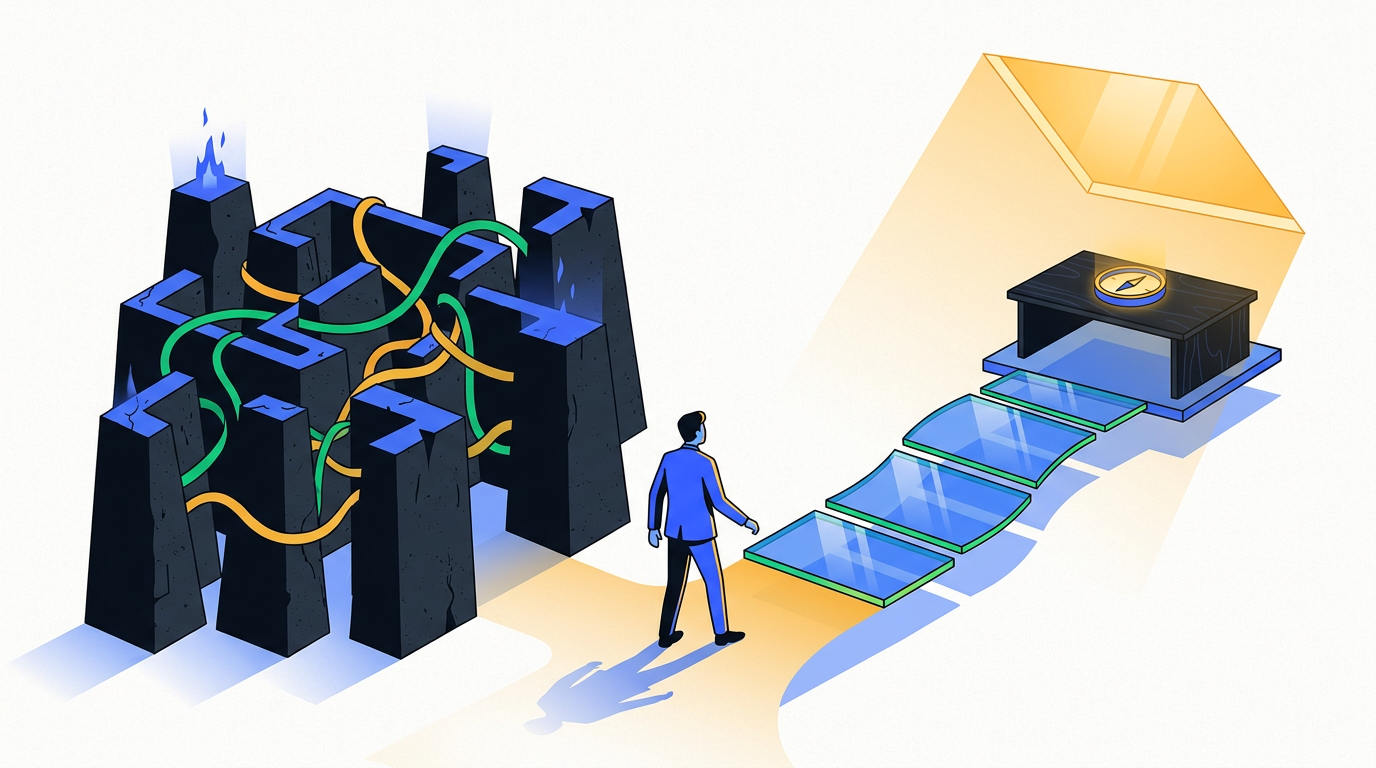
A hybrid workplace blends in-office and remote work so employees can choose where they do their best work. The future isn’t a fixed three-days-in-office rule — it’s flexible-first models built around outcomes, trust, and intentional collaboration rather than raw attendance or hours logged.
The great “Return to Office” war is, for the most part, a pointless battle. For years, companies have been dragging employees back to their cubicles, citing a mysterious need for “culture” and “collaboration,” while employees who tasted the freedom of remote work have pushed back. The whole debate is framed as a binary choice: the soulless office vs. the lonely home. It’s the wrong conversation.
The workplace of the future isn’t about a specific location. It’s about a fundamental shift in how we think about work itself. The future isn’t a mandate from HR about which days you have to show up. It’s a flexible, trust-based system built around results, not presence. Forget the noise. Let’s talk about the hybrid workplace models that actually work, and what it takes to build one that doesn’t just look good in a press release.
The traditional 9-to-5, five-days-a-week office model was already creaking under its own weight long before 2020. It was a relic of an industrial era, designed for tasks that required physical presence and direct supervision. For knowledge workers, it often meant long commutes, endless interruptions, and the performance art of looking busy.
The pandemic didn’t break the office; it just held up a giant mirror to its flaws. Millions of people discovered they could be just as, if not more, productive from home. They reclaimed hours from their commute, enjoyed greater work-life balance, and proved that work is an activity, not a place.
Now, the genie is out of the bottle. The expectation of flexibility and autonomy isn’t a perk anymore; it’s a core requirement for attracting and retaining talent. Companies clinging to the old ways aren’t just fighting their employees—they’re fighting the very nature of modern work. The future of the office is less office, more options.
A hybrid workplace is a flexible work model that combines in-office work with remote work. In this setup, employees have the autonomy to split their time between a central office and another location, typically their home. The goal is to offer the best of both worlds: the structure and collaboration of an office environment and the flexibility and focus of remote work.
A true hybrid workplace model isn’t just about letting people work from home a couple of days a week. It requires a complete rethinking of company culture, communication practices, and how success is measured. Instead of tracking hours or physical presence, the focus shifts to outcomes, productivity, and employee well-being. It’s a strategic decision to build a more resilient, flexible, and talent-friendly organization.
“Hybrid” isn’t a one-size-fits-all term. It’s a spectrum. Most companies fall into one of three main camps, whether they realize it or not. Choosing the right one is the single most important decision you’ll make.
| Model | What It Is | Who It’s For | Our Take |
|---|---|---|---|
| Office-First (or Hybrid-by-Stated-Days) | The office is the default. Employees are expected in on set days (e.g., Tues-Thurs). Remote work is an exception or a scheduled perk. | Large, traditional companies trying to dip a toe into flexibility without changing much. Or companies where physical presence is genuinely necessary for most roles. | This is the most common and least effective model. It often creates a two-tiered system and proximity bias, where in-office staff get preferential treatment. It’s hybrid in name only. Skip this if you can. |
| Remote-First | Remote is the default. The company operates as if everyone is remote, even if they have office hubs. Processes, communication, and culture are designed for a distributed team. | Tech startups, global companies, and organizations that want to hire the best talent regardless of location. | A powerful model that forces you to be intentional about everything. It’s a heavy lift to implement but creates incredible equity and access to a global talent pool. A great choice if you’re starting from scratch. |
| Flexible-First | There is no default location. Employees and their managers decide where and when they work based on the task at hand. The office is a tool, not a mandate. | Most modern companies. It balances the need for autonomy with the benefits of in-person connection. | This is the winner for most businesses. It puts trust and autonomy at the center, treating employees like adults. It requires clear guidelines and intentional management, but it delivers the best results for both the company and its people. |
The takeaway? Don’t just stumble into a hybrid model. Choose one. We believe the Flexible-First model is the future of WFH for most companies. It’s the most adaptable, human-centric, and outcome-driven approach.
Managing a hybrid team requires a deliberate shift from overseeing presence to guiding performance. Success depends on three core pillars: establishing crystal-clear communication protocols, focusing relentlessly on outcomes instead of hours, and actively fighting proximity bias to ensure fairness. Leaders must be trained to manage a distributed workforce, trusting their team with greater autonomy while providing the technology and support needed to foster collaboration and maintain a cohesive company culture, regardless of location.
Saying you’re a hybrid workplace is easy. Actually making it work is hard. It’s not about sending a memo; it’s about redesigning the core operating system of your company.
If people can do focused work at home, the office needs a new job description. It’s no longer the place for heads-down, silent typing. The future of the office is as a destination for intentional collaboration.
Think of it less like a factory and more like a clubhouse. Your physical space should be optimized for the things people can’t do easily over a video call:
The goal is to make the office a tool that employees want to use for specific purposes, not a place they have to be.
“Company culture” is not the free snacks in the kitchen or the ping-pong table. Culture is “how we do things around here.” In a hybrid workplace, you have to be far more intentional about building it.
Culture in a hybrid future doesn’t happen by accident. It’s built through thousands of small, deliberate actions that reinforce trust, transparency, and a shared sense of mission.
The biggest silent killer of a hybrid workplace is proximity bias. It’s the natural human tendency to give more weight and opportunity to the people we see and interact with every day. The person in the office gets the interesting new project because they were there when the boss thought of it. The remote worker, equally capable, gets overlooked.
Fighting this is a manager’s most critical job:
If leaders don’t actively fight proximity bias, their best remote talent will leave. They won’t feel seen, valued, or believe they have a future at the company.
Going hybrid opens up a Pandora’s box of legal and HR complexities that most companies are unprepared for. Ignoring them is a huge risk.
This isn’t the fun part of building a hybrid work future, but it’s non-negotiable. Getting these policies right is the foundation for a fair and sustainable model. It often requires expert help, and getting it right is a core part of how we help our own clients build the systems for their teams.
The dark side of remote flexibility is the “always on” culture. When your home is your office, the boundaries can blur until they disappear. Digital fatigue is real, and it leads to burnout.
A successful hybrid workplace prioritizes sustainable performance, not constant availability.
How do you know if your hybrid model is actually working? The old metric of “butts in seats” is gone. You need new KPIs (Key Performance Indicators) that measure what truly matters.
Adopting a hybrid model offers significant advantages but also presents unique difficulties. For employees, the primary benefit is increased flexibility, leading to better work-life balance and autonomy. For companies, it unlocks access to a broader talent pool and can reduce overhead costs.
The main challenges are rooted in execution. Maintaining a cohesive company culture, ensuring equitable treatment and career opportunities for all employees (avoiding proximity bias), and mastering effective communication across different locations are the biggest hurdles. Overcoming these requires intentional leadership, clear policies, and the right workplace technology.
Yes, hybrid work is the future, but not in the rigid, three-days-a-week format many companies are forcing. The real future is a flexible-first approach where trust and autonomy replace mandates and surveillance. It’s a model built on treating employees as adults, measuring success by outcomes, and using the office as a tool for intentional collaboration rather than a daily requirement. The companies that embrace this true spirit of flexibility will be the ones that win and retain the best talent in the years to come.
How do we start implementing a hybrid model?
Start small. Pilot a flexible-first approach with one team. Create a clear policy, provide the necessary technology, and train the manager. Measure the results and gather feedback for 90 days, then use those learnings to build a plan for the rest of the organization.
What’s the most important technology for a hybrid team?
It’s not one tool, but an integrated stack. You need a reliable communication platform (like Slack or Teams), a robust project management system (like Asana or Jira), and high-quality video conferencing hardware in all meeting rooms. Everything should be cloud-based and accessible from anywhere.
How do you convince senior leadership that hybrid work is a good idea?
Frame the argument around business outcomes, not just employee perks. Highlight the benefits of a wider talent pool, increased employee retention (which saves money on recruiting and training), and potential real estate cost savings. Present a data-driven pilot plan to de-risk the decision.

Part of the Thinker's Automation Labs content team. Researches with the SEO Blog Research Agent, drafts the piece, and routes it through review before publishing. Every claim is fact-checked against primary sources.
AI can’t see the future — it forecasts probabilities from patterns in past data. It’s remarkably good at…

Freelancing is becoming a core part of how work gets done, not a side hustle. AI and remote…
The future of HR is data-driven and skills-based. AI now handles screening and admin, freeing HR to focus…